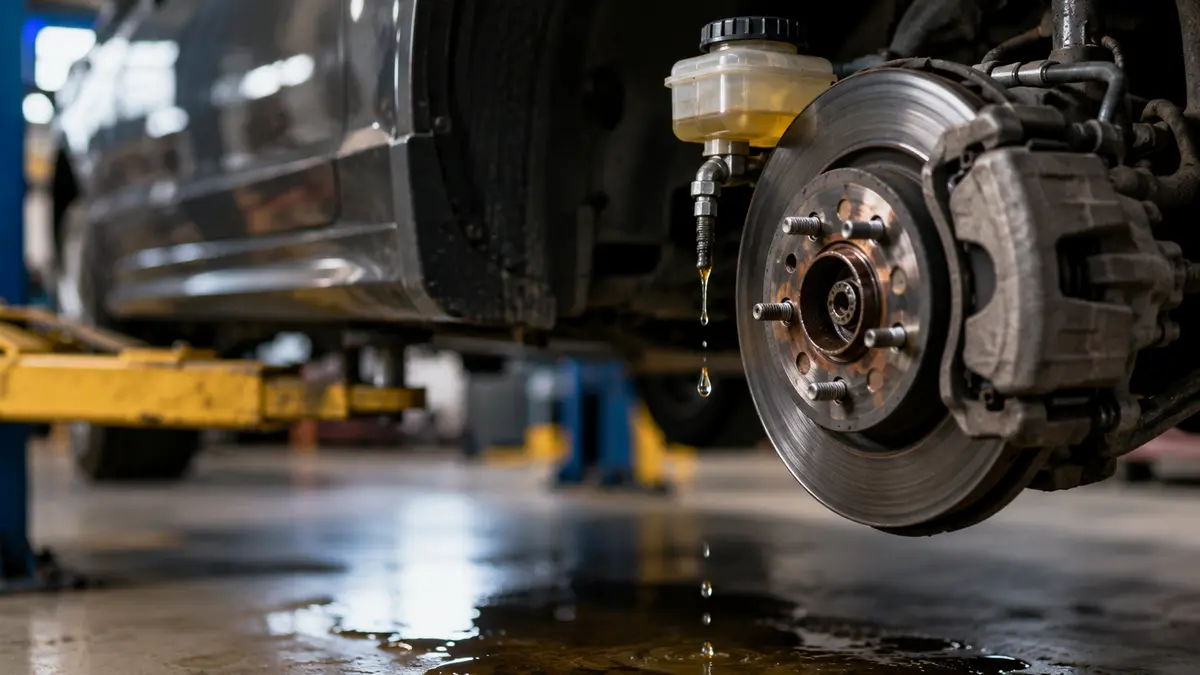
Brake Fluid Leak: Causes, Warning Signs, And How to Fix It
Your car’s brakes are the most important safety system, and they’re made possible by a simple liquid called brake fluid. When this fluid leaks, your car loses its stopping power, putting you and everyone around you at risk. This is especially important for drivers in busy cities like Canada and Mississauga, where heavy traffic, sudden stops, and long, salty winters put extra stress on every part of your vehicle, including the suspension and alignment components.
In this guide, you’ll learn what brake fluid does, how to spot a leaking brake fluid problem early, what causes it, and how brake fluid leak repair actually works. You’ll also learn how much it typically costs and how to prevent another leak.
What Is Brake Fluid and Why Does It Matter?
Brake fluid is the fluid that carries the force from your foot to the brakes. Your car uses a hydraulic system, which means it uses fluid pressure instead of cables or gears to do the work.
Here’s how the process works, step by step:
- You press the brake pedal, and a part called a brake booster amplifies the force of your push.
- The master cylinder converts that force into pressure inside the brake fluid.
- This pressure travels to each wheel through brake lines and hoses.
At each wheel, the caliper uses that pressure to press the brake pads against the rotor, and this friction slows the car.
This chain only works when the entire system is sealed and filled with fluid. If even one part of this chain leaks, the pressure drops, and your brakes won’t respond the way they should.
Warning Signs of a Brake Fluid Leak
A brake fluid leak rarely shows up as a big, obvious problem. It usually starts small and gets worse over time. Look for these signs:
- A brake warning light on your dashboard: Low brake fluid is the most common cause of this light, so check your reservoir immediately if it appears.
- A soft or spongy brake pedal: When fluid leaks, air moves into the lines to fill the empty space. Air compresses easily, but brake fluid doesn’t, so your pedal starts to feel soft instead of firm.
- The pedal sinks closer to the floor: As the leak increases, the pedal sinks further before the brakes actually engage, which feels unsafe and unpredictable.
- A puddle or wet spot under the car: Brake fluid is usually a light yellow color and has a slightly oily appearance, almost like cooking oil. You may see it near the wheel or under the engine bay.
- Complete loss of braking power: This is the most serious consequence, and it rarely happens without warning. Ignoring the above signs can lead to complete brake failure.
If you see any of these signs, don’t wait. Stop safely and check your car before continuing.
Common Causes of a Brake Fluid Leak
Fixing a brake fluid leak always starts with finding the cause of the fluid leak. Several parts of the brake system can cause this problem:
- Broken or damaged brake lines and hoses: These carry fluid from the master cylinder to each wheel. Road debris and general wear and tear can cause them to crack or corrode until fluid leaks.
- Failed master cylinder or wheel cylinder: These parts push fluid out of the system. When the seals inside them wear out, fluid leaks out instead of building pressure.
- Broken or leaking brake calipers: Calipers are constantly exposed to heat and pressure. Over time, their seals can fail, causing fluid to leak near the wheel.
- Damaged brake booster: If its casing is corroded or cracked, it can lead to a leak at the connected master cylinder.
- General wear and tear on the seals: Rubber seals harden and crack with age, and once the seal fails, fluid finds a way to escape.
Most of these problems develop gradually, which is why regular brake inspections are important. Catching a small leak early is always cheaper and safer than waiting for it to grow.
Heat, Boiling Fluid, and Using the Right Type
Not every leaking brake fluid problem is caused by a cracked part; sometimes the fluid itself is the problem. Brake fluid absorbs moisture over time, and this lowers its boiling point. During hard or repeated braking, such as driving down a long hill or towing a trailer, the fluid can get hot enough to boil. This creates air bubbles inside the lines, causing a spongy pedal and poor stopping power, which is what happens with an actual leak.
Canada also uses different types of brake fluid, primarily DOT 3, DOT 4, and DOT 5.1, and each type has a different boiling point. Using the wrong type, or mixing types together, can damage rubber seals and cause leaks. Always use the fluid listed in your owner’s manual, and follow your manufacturer’s fluid-change schedule. Old, dark, or cloudy fluid contains more moisture and will cause more problems in the future.
Read More: Car Suspension Problems: 8 Symptoms Every Driver Should Know
How to Check For and Locate a Brake Fluid Leak
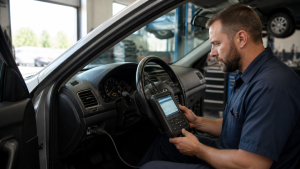
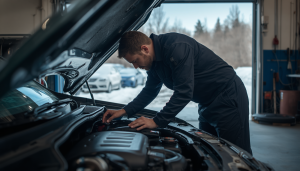
If you suspect a problem, you can do some basic checks before calling a mechanic. Start by opening the hood and looking for the brake fluid reservoir, which is usually located behind the engine bay on the driver’s side. If the fluid sits below the minimum line, that’s a warning sign.
After turning off the engine, depress the brake pedal a few times. This allows the fluid to flow through the system without much pressure, making it easier to see the leak. Next, look under your car for wet or oily spots, paying attention to the brake lines, hoses, and the area around each wheel. If you think the leak is coming from one wheel, take a closer look at the calipers on disc brakes or the drums on older vehicles with drum brakes, as fluid often collects inside these parts. Finally, check the master cylinder for moisture, streaks, or a reservoir cap that isn’t completely sealed, as sometimes the cap alone can be the cause.
If you can’t find a source, or if you don’t feel confident checking under a raised vehicle, it’s safer to bring your car to a trusted shop than to guess.
How to Fix a Brake Fluid Leak
The correct solution to fixing a brake fluid leak depends entirely on where the fluid is leaking from. Once the mechanic has located the source, he or she will typically take one of these approaches:
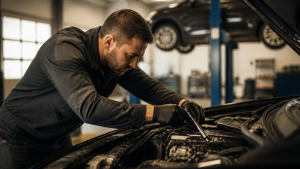
If the problem is a damaged brake line or hose, the technician will remove the old line and install a new line, then tighten each connection properly. A leaking caliper or wheel cylinder will often require a seal kit; worn seals are replaced and everything is carefully reassembled. When the master cylinder is faulty, the shop can rebuild it with a new internal seal or replace the entire unit if the damage is severe. In rare cases, the leak is coming from the ABS module or pump, which is a complex repair best left to a certified technician.
After any repair, the shop will refill the reservoir with the appropriate fluid and bleed the brake system to remove any trapped air. This step is just as important as the repair, because any air left in the line even after the leak is fixed will bring back that spongy pedal feel. A shop like Tabangi Service in Mississauga can diagnose the exact source and complete the repair with the right tools and parts.
What Does It Cost to Fix a Brake Fluid Leak in Canada?
The cost of a repair depends on where the leak is, how difficult it is to reach, and your local labor rates. A simple problem like tightening a reservoir cap or flushing the system can run $100 to $150. A brake fluid leak repair, such as replacing a hose or wheel cylinder, often runs between $150 and $500. A major job like rebuilding a master cylinder or caliper can cost $400 to $900 or more, especially on larger vehicles with difficult-to-reach parts.
A few things can drive these numbers up or down: whether you visit an independent shop or dealership, how much corrosion is present, and how many hours the job takes. Independent shops in the Greater Toronto Area, including Mississauga, often charge lower labor rates than dealerships, so it’s always a good idea to get a written quote before agreeing to any repair.
Benefits of Fixing a Leak Early and Preventing Future Ones
Fixing a brake fluid leak as soon as it occurs will protect more than just your wallet. It will shorten your stopping distance, protect other parts of the brake system from damage caused by low fluid or trapped air, and reduce the risk of an accident on busy Mississauga roads.
Canadian winters make your brake system work harder than it should. Road salt and moisture accelerate corrosion on metal brake lines and wear out seals faster. A few simple habits can go a long way in avoiding future problems:
- Wash the underside of your car during the winter to remove road salt before it eats into the metal lines.
- Have your mechanic check your brake lines for corrosion or swelling during each seasonal inspection.
- Look at the color of your brake fluid. Dark or cloudy fluid means it’s time to flush.
- Always use the fluid listed in your owner’s manual, and never mix different types.
- Check that the clips holding your brake lines are secure, as loose lines will quickly fray and tear.
Booking a brake inspection twice a year, before and after winter, is the easiest way to catch a small problem before it becomes expensive and dangerous.
Advanced Tips: When to Call a Professional
Not every part of the brake system is safe to handle yourself, even if you are comfortable with basic car maintenance. Brake lines work under a lot of pressure, and a small mistake during a repair can lead to complete brake failure at the worst possible time. Never use tape, glue, or “stop-leak” products on brake lines, as they cannot handle the pressure inside the system and will fail without warning.
If your pedal slowly sinks to the floor, if the brake warning light stays on, or if you smell a strong chemical smell near your wheels, consider it an emergency and tow the car instead of driving it. For anything other than checking fluid levels and looking for obvious leaks, trust a certified technician who has the proper diagnostic tools to properly bleed the system and ensure the repair is safe.
Conclusion
A brake fluid leak is never something to ignore. It usually starts small, with a soft pedal or a small pothole, but it can quickly turn into a serious safety hazard. Knowing the warning signs, understanding common causes, and getting the right repairs done quickly can keep you, your passengers, and everyone on the road safe. Whether you’re driving in downtown Mississauga or on the highway, a properly functioning brake system gives you the confidence to stop when you need to. If you see any signs of a leak, don’t wait; book an inspection with a trusted local shop like Tabangi Service and have it checked out before it becomes a major problem.
Read Next: How Much Does it Cost to Change a Car Battery in Canada? (Complete Guide)
Frequently Asked Questions
Can I drive my car if it leaks brake fluid?
No. Even a small leak can lead to sudden brake failure. It’s safer to have your car towed than to keep driving it.
What is the color of brake fluid, and how can I tell it apart from other leaks?
New brake fluid is clear to light yellow in color and has a slightly oily appearance, turning dark brown with age. This sets it apart from engine oil, which is thicker, and coolant, which often has a sweet odor.
How long does it usually take to repair a brake fluid leak?
Simple repairs like hose replacement or fluid flush often take one to two hours. Major tasks like master cylinder replacement take longer because the system then requires a complete bleed.
Can I top up the brake fluid myself instead of fixing the leak?
You can top it up temporarily, but this doesn’t fix the problem. The fluid continues to decrease, so the leak still needs proper repair.
Does car insurance cover brake fluid leaks?
Usually not, as most leaks are caused by normal wear and tear and are considered maintenance issues. If the leak was caused by a collision or road debris, your policy may cover it, so it’s worth checking with your provider.
How often should I get my brakes inspected in Mississauga?
Most drivers benefit from having their brakes checked twice a year, ideally before and after winter, as road salt and temperature changes accelerate wear on brake lines and seals.